
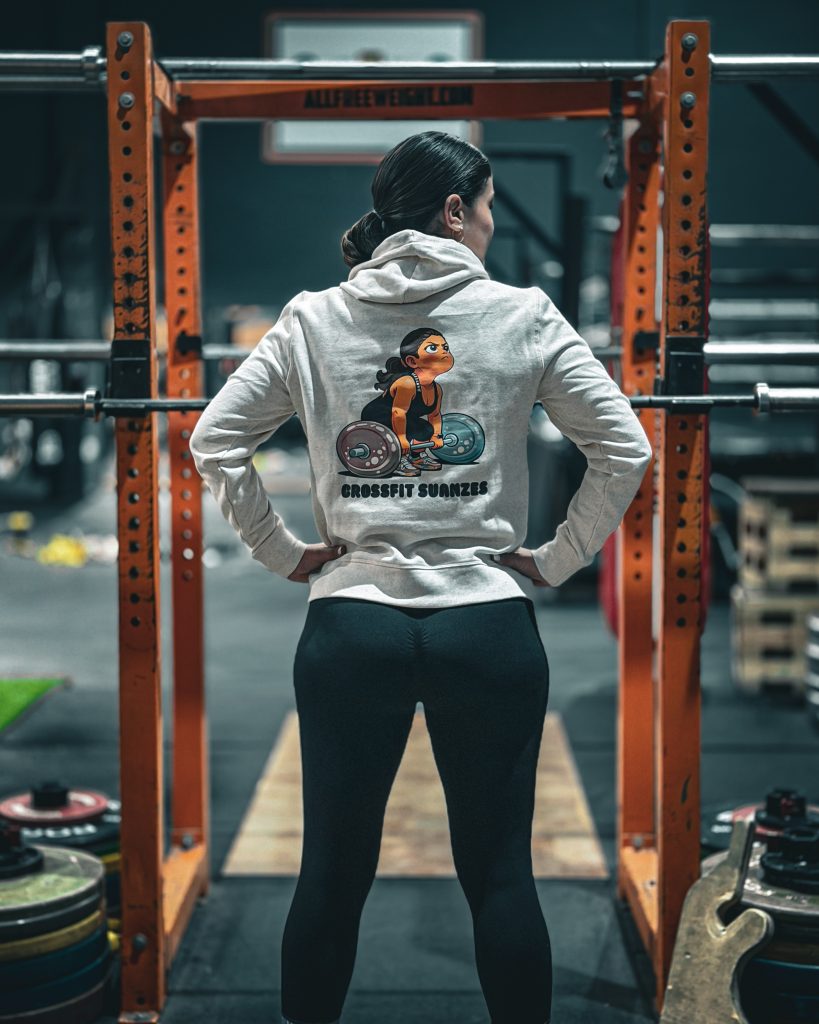
Merchandising: Ori and the Weight She Lifts Every Day
At Nijūsan Studio, we are developing a project centered around Ori, the girl shown in the illustration. At first glance, we see a determined athlete preparing to lift a barbell. Her posture is focused, her expression serious, and every part of her body shows concentration. But this image is not only about weightlifting. It is about effort, persistence, and the invisible weight many women in sports have had to carry.
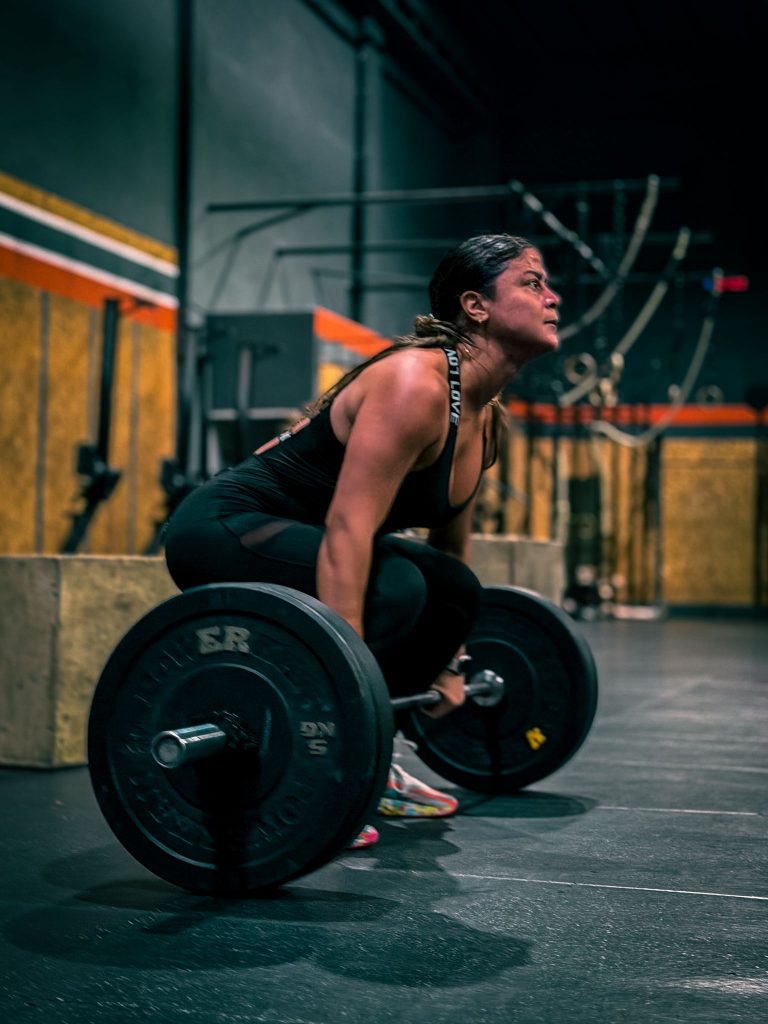
Ori trains constantly. Not because someone forces her to, but because she wants to improve. Every night she finishes her training tired, with sore muscles and rough hands from the bar, yet satisfied. Each session makes her a little stronger than the day before. For her, progress is built one repetition at a time.

The phrase connected to the project plays with the language of weightlifting. In Olympic lifting, a “clean” is a technical movement where the athlete explosively lifts the barbell from the ground to the shoulders. The word becomes a metaphor here: women shouldn’t be limited or defined by stereotypes—they should be lifting, competing, and improving just like anyone else.
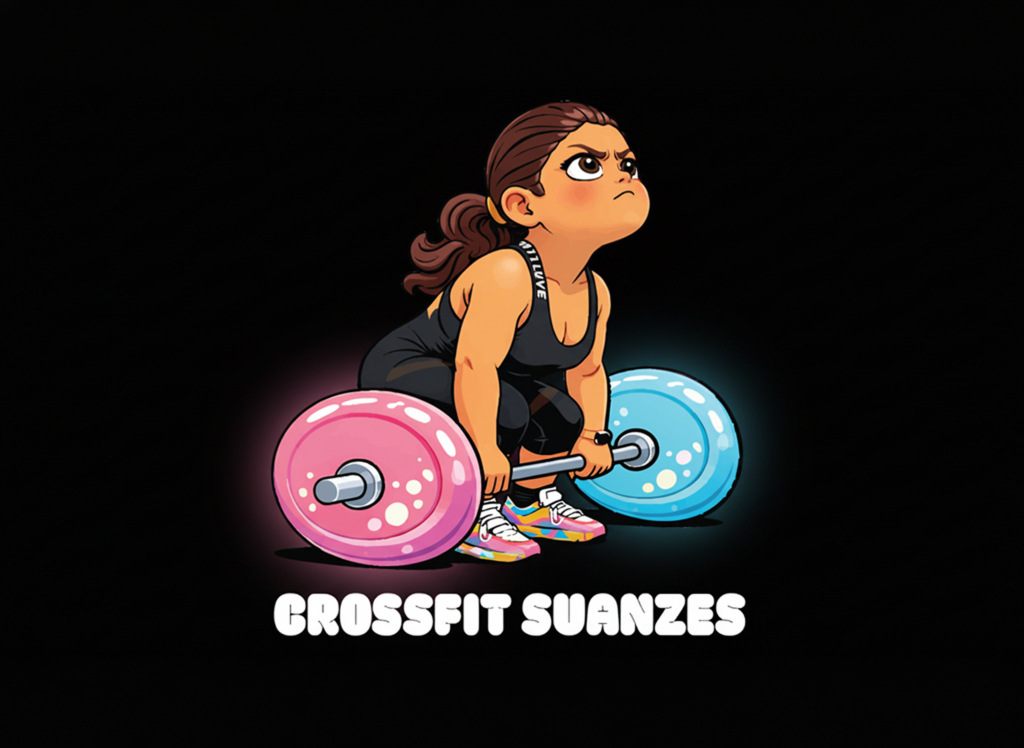
For a long time, sport has carried traces of machismo and outdated expectations. Women were often told what they should or shouldn’t do, which sports were “appropriate,” or how strong they were allowed to become. But athletes like Ori represent a different narrative. Strength is not something to apologize for; it is something to celebrate.
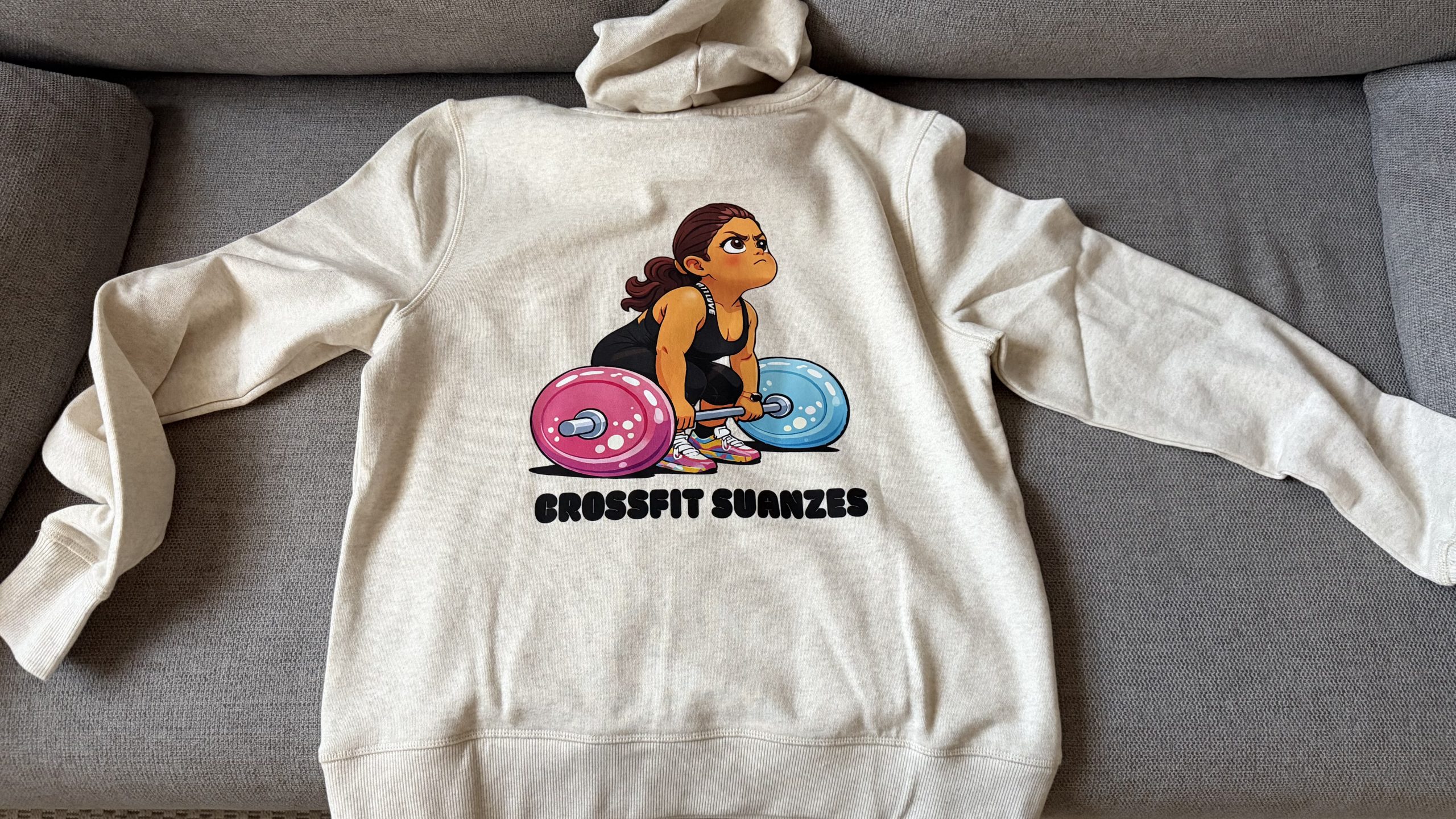
This project also carries a personal tone. It reflects growth, dedication, and even moments of celebration—like a birthday, a milestone, or a new personal record. Each achievement marks another step forward, another reminder that progress is possible through discipline and belief in oneself.
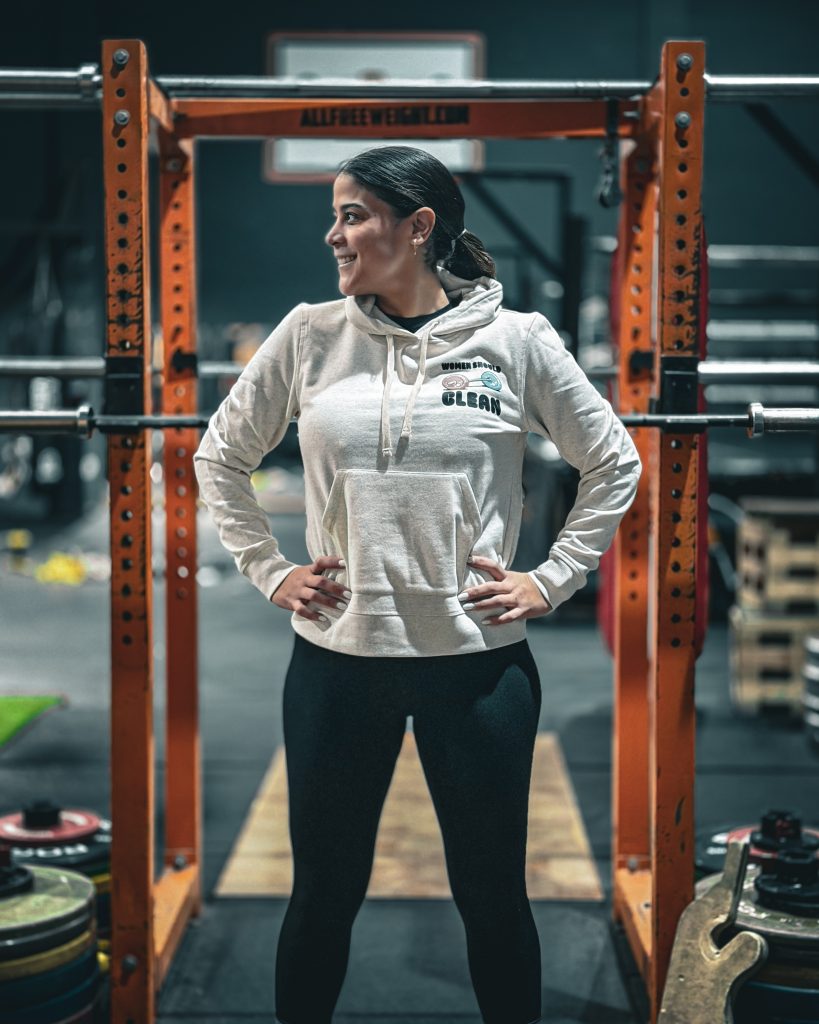
In the end, Ori is not only lifting a barbell. She is lifting expectations, breaking barriers, and showing that strength belongs to everyone.